
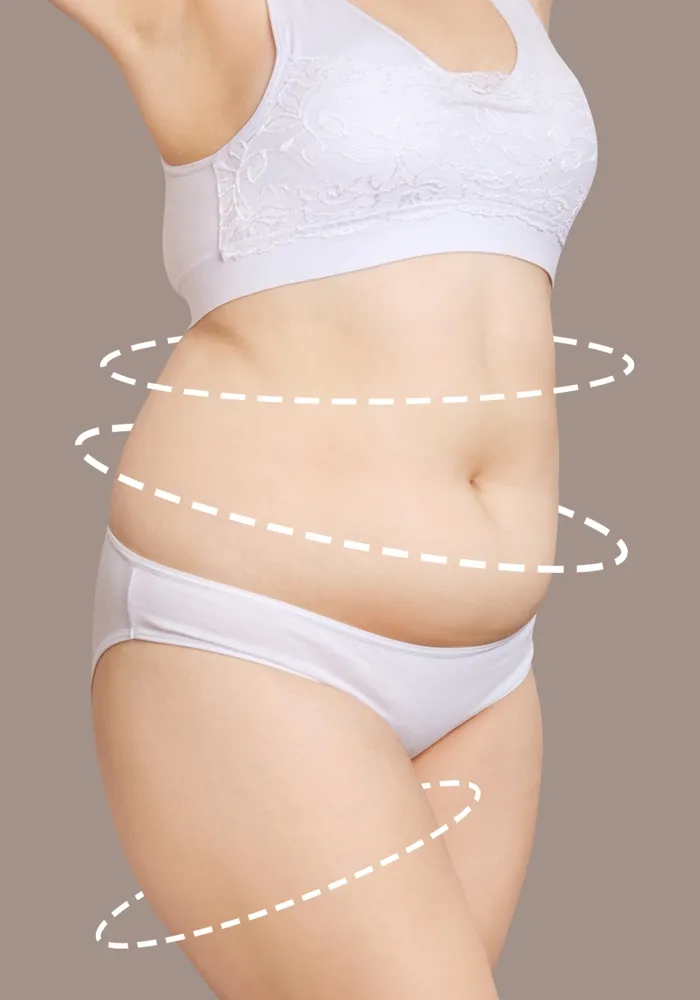
Changes around the abdomen can develop after weight fluctuations, pregnancy, ageing or natural changes in body composition. Some people are mainly concerned about localised fat, while others notice loose skin or weakening of the abdominal wall. Although liposuction and tummy tuck surgery are both body-contouring procedures, they are designed to address different concerns.
For patients considering liposuction Malaysia, understanding this distinction is important. Liposuction primarily removes selected deposits of subcutaneous fat, whereas a tummy tuck can address excess abdominal skin and, when appropriate, weakened or separated abdominal muscles.
What Liposuction Is Designed to Treat
Liposuction uses a thin tube known as a cannula to remove fat from selected areas of the body. Common treatment areas include the abdomen, waist, hips, thighs, arms, back and under the chin.
It is generally considered a body-contouring procedure rather than a treatment for obesity or an alternative to diet and exercise. Candidates tend to achieve better contouring results when they have relatively firm, elastic skin, because liposuction itself does not remove substantial amounts of loose skin.
This distinction becomes important when someone has both unwanted fat and significant skin laxity.
What a Tummy Tuck Addresses
A tummy tuck Malaysia, medically known as abdominoplasty, focuses more specifically on the abdomen.
The operation can remove excess abdominal skin and fat and may repair weakened or separated abdominal muscles when required. The incision pattern and extent of surgery depend partly on how much excess skin needs to be addressed.
A tummy tuck is also not intended as a substitute for weight loss. Suitable candidates are generally expected to be in good health, at a stable weight and to have realistic expectations about what surgery can achieve.
Loose Skin Changes the Decision
One of the clearest differences between the procedures is how they deal with skin.
If the main concern is a localised fat deposit and the skin still has good elasticity, liposuction may be one option to discuss. However, when the abdomen has considerable loose or overhanging skin, removing fat alone may not produce the desired contour because the excess skin remains.
Loose abdominal skin can become more noticeable after pregnancy or significant weight loss. In such situations, an assessment of both skin quality and the abdominal wall helps determine which type of procedure may be appropriate.
Muscle Separation Is Another Important Factor
Pregnancy and other changes to the abdominal wall can sometimes leave the muscles weakened or separated.
Liposuction removes fat but does not repair abdominal muscle separation. Abdominoplasty, by contrast, may include repair of weakened muscles as part of the surgical plan.
This means two patients with a similar-looking abdomen may require different approaches. One person’s concern may be mainly subcutaneous fat, while another may have skin laxity and abdominal-wall changes as well.
A physical examination is therefore more useful than deciding on a procedure from photographs alone.
Can Liposuction and Tummy Tuck Be Combined?
The procedures are not always mutually exclusive.
Liposuction may sometimes be performed alongside a tummy tuck when a patient has both excess fat and loose abdominal skin. The combination can allow different contour concerns to be addressed within the same treatment plan, although suitability depends on the patient’s anatomy, health and surgical risk.
Combining procedures should not be assumed to be necessary simply because both are available. The decision should follow an individual surgical assessment.
Scarring and Recovery Are Different
Liposuction usually involves small access incisions through which the cannula is inserted. A full tummy tuck requires a longer horizontal abdominal incision, with its length influenced by the amount of excess skin being removed.
The procedures also differ in the extent of surgery and recovery required. Patients should discuss activity restrictions, compression garments where appropriate, wound care and the expected return to normal routines with their surgeon.
Recovery timelines vary, so fixed promises about being completely healed by a particular date should be approached cautiously.
Neither Procedure Prevents Future Body Changes
Body-contouring surgery does not stop ageing or prevent future weight changes.
Maintaining a relatively stable weight can help preserve the surgical contour, but pregnancy, significant weight gain or weight loss may alter the abdomen again. This is particularly relevant when considering the timing of a tummy tuck.
Patients should also understand that surgery aims to improve contour rather than create perfect symmetry or a guaranteed body shape.
Conclusion
Liposuction and tummy tuck surgery address different abdominal concerns. Liposuction primarily targets localised fat deposits, while a tummy tuck is better suited to situations involving significant loose skin and may also address weakened abdominal muscles.
Some patients may be candidates for one procedure, while others may need a combination approach. The right choice depends on skin elasticity, fat distribution, abdominal-wall condition, general health and individual goals. A consultation with a qualified plastic surgeon can clarify which concerns each procedure can realistically address, along with the scars, recovery and potential risks involved.
